Why Now is the Time for a Smart TV in Nepal
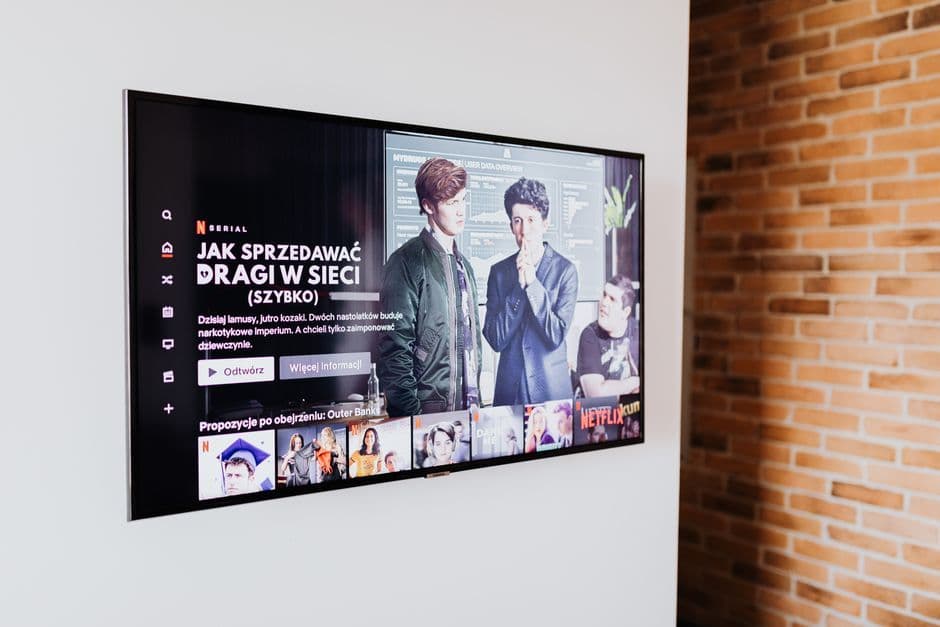
The television landscape in Nepal has evolved dramatically. With fiber internet penetration expanding rapidly across major cities and even into rural areas, combined with the increasing availability of affordable streaming services, a smart TV is no longer a luxury but a fundamental upgrade for any household. Forget the days of limited channels; a smart TV opens up a universe of content, from global hits on Netflix and YouTube to local news and educational programming. Investing in a smart TV today means future-proofing your entertainment hub for years to come.
Understanding Display Technology: Your Visual Core
The picture quality fundamentally dictates your viewing experience. As of late 2026, you'll primarily encounter a few dominant display technologies, each with its strengths.
OLED (Organic Light Emitting Diode) remains the gold standard for many, offering perfect blacks, infinite contrast, and vibrant colors due to each pixel being self-emissive. These are fantastic for movie lovers and offer superior viewing angles. However, they typically come at a premium price point. Look for brands like LG and Sony for top-tier OLED options in Nepal.
QLED (Quantum Dot LED) TVs, championed by Samsung and TCL, utilize quantum dots to enhance color and brightness on an LED backlight panel. They achieve very high brightness levels, making them excellent for well-lit rooms and HDR content. While not offering OLED's perfect black levels, their contrast and color reproduction are still superb. Mini-LED technology, often integrated into higher-end QLEDs, uses thousands of tiny LEDs for more precise local dimming and even better contrast than traditional QLEDs. This provides a compelling balance of brightness and black level performance.
Standard LED/LCD TVs are still available and represent the most budget-friendly option. They've improved significantly, but won't match the contrast or color depth of OLED or QLED panels. If your budget is tight, these are still perfectly capable for general viewing.
Screen Size and Resolution: What Fits Your Nepali Home?
Resolution-wise, 4K UHD (3840 x 2160 pixels) is the current standard. Most content, from streaming services to gaming consoles, is available in 4K, and the visual clarity is a noticeable upgrade from Full HD. While 8K TVs (7680 x 4320 pixels) are on the market, especially from brands like Samsung and Sony, 8K content is still scarce and the price premium in Nepal is substantial. For most buyers, a high-quality 4K TV is the sensible choice.
Screen size depends on your viewing distance and room dimensions. For optimal viewing, calculate roughly 1.5 to 2.5 times the screen size in feet for your viewing distance. For a typical Nepali living room, 43-inch to 65-inch models are the most popular. Don't go too large for a small room; a giant screen in a cramped space can actually diminish the experience. Measure your wall space before you shop.
Smart Operating Systems: The Brain Behind the Beauty
The operating system (OS) determines how intuitive and functional your smart TV is. The leading platforms in 2026 remain Android TV (often rebranded as Google TV), LG's webOS, and Samsung's Tizen OS.
Android TV/Google TV offers the widest app selection, thanks to the Google Play Store, and excellent integration with Google Assistant. It's generally user-friendly and familiar to Android smartphone users. WebOS, found on LG TVs, is known for its clean, fluid interface and the Magic Remote, which offers point-and-click navigation. Tizen OS on Samsung TVs is also very polished, fast, and integrates well with Samsung's ecosystem. All three support major streaming apps like Netflix, YouTube, Amazon Prime Video, and Hotstar, which are widely used in Nepal.
Consider the processor and RAM as well. A powerful processor ensures smooth navigation, quick app loading, and responsive voice commands. Don't compromise here; a laggy smart TV quickly becomes frustrating.
Connectivity and Audio: More Than Just a Pretty Picture
Check the number and type of HDMI ports. HDMI 2.1 is crucial if you plan to connect latest-generation gaming consoles (PS5, Xbox Series X) for 4K 120Hz gaming or advanced soundbars. Aim for at least two HDMI 2.1 ports if you're a gamer. USB ports are useful for playing local media files. Wi-Fi 6 (or even Wi-Fi 7 on newer premium models) ensures stable, fast internet for 4K streaming, essential with higher bandwidth local fiber connections from providers like WorldLink or Vianet.
Built-in TV speakers are often adequate for everyday viewing, but they rarely deliver a truly immersive audio experience. For cinema-quality sound, consider pairing your smart TV with a soundbar or a home theatre system. Many brands offer compatible soundbars that integrate seamlessly with their TVs, enhancing dialogue clarity and bass response dramatically.
Local Market Insights: Pricing, Brands, and After-Sales
Pricing for smart TVs in Nepal varies significantly based on brand, size, and features. A decent 43-inch 4K smart LED TV can start from around NPR 60,000, while premium 65-inch OLED models can easily exceed NPR 300,000. Brands like Samsung, LG, Sony, Xiaomi, CG, Skyworth, and TCL are widely available. Keep an eye out for festive sales during Dashain and Tihar for potential discounts.
Always prioritize warranty and after-sales service. In Nepal, good customer support can make a huge difference. Purchase from authorized dealers who offer a proper warranty card and have readily available service centers. Inquire about home installation services and potential troubleshooting support. Many major banks like Nabil Bank, Standard Chartered Nepal, and NIC Asia Bank offer attractive EMI plans, making high-end TVs more accessible on installment.
Finally, given Nepal's power fluctuations, invest in a good quality voltage stabilizer and consider a UPS for higher-end models. This protects your valuable investment and ensures uninterrupted viewing during brief power cuts.
Key Takeaways
* **Prioritize Display:** OLED for ultimate picture, QLED/Mini-LED for bright rooms and HDR, LED for budget-friendly options.
* **Resolution & Size:** 4K is standard. Match screen size to your room and viewing distance.
* **Smart OS:** Choose between Android TV/Google TV, webOS, or Tizen for app availability and user experience.
* **Connectivity:** HDMI 2.1 is vital for modern gaming and future-proofing. Wi-Fi 6/7 for smooth streaming.
* **Local Focus:** Check warranty, after-sales service, and consider bank EMI options. Protect your TV with a stabilizer.
Final Thoughts
A smart TV is more than just a screen; it's the centerpiece of your digital home entertainment. By understanding these key factors, you're well-equipped to navigate the options available in Nepal and select a model that perfectly suits your needs and budget. Invest wisely, and enjoy a world of entertainment right from your living room. Happy viewing!