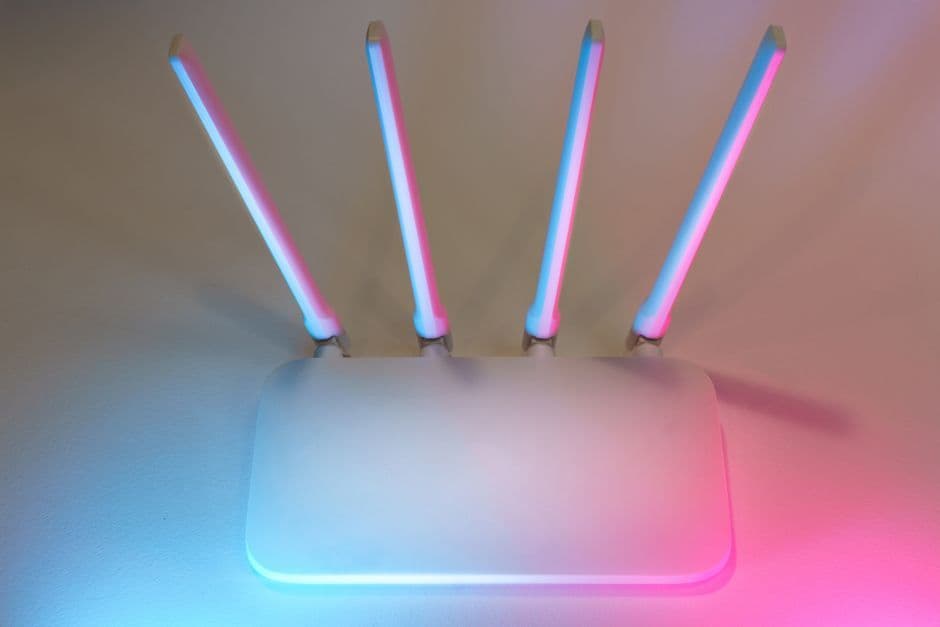
Why Your Router Choice Matters More Than Ever
The internet infrastructure in Nepal, with providers like DishHome Fiber and WorldLink, has advanced significantly. Yet, an exceptional internet plan can be hampered by an inadequate router. Imagine a high-speed fiber connection delivering 500 Mbps, but your old router only manages 100 Mbps wirelessly. That's a bottleneck wasting your money.
For professionals attending virtual meetings with clients abroad, students submitting assignments to TU or IOE portals, or families streaming content after a long day, reliable Wi-Fi is paramount. Your router is the heart of your digital ecosystem, directly influencing speed, coverage, and the stability of every connected device. It dictates whether your Meroshare application uploads quickly or you encounter frustrating delays.
Key Considerations When Buying a Router in Nepal
Before you visit an electronics store in Putalisadak or browse Daraz.np, understand these critical factors:
1. WiFi Standards (WiFi 6, WiFi 6E, WiFi 7)
WiFi 6 (802.11ax) remains the standard for most modern devices, offering faster speeds, lower latency, and better efficiency in congested networks. For premium performance, WiFi 6E extends WiFi 6 into the 6GHz band, providing a dedicated, interference-free highway for compatible devices. This is excellent for high-bandwidth tasks. The cutting edge is WiFi 7 (802.11be), now entering the market. It brings even higher speeds and Multi-Link Operation (MLO), which significantly boosts stability and reduces latency, especially useful for gaming or large data transfers in a busy office environment.
2. Coverage and Mesh Systems
Large homes or multi-story offices often struggle with dead zones. A single router might not be enough. Mesh WiFi systems, like those from TP-Link Deco or Asus ZenWiFi, use multiple units working together to create a unified network, blanketing your entire space with strong Wi-Fi. They are a superior alternative to basic range extenders, ensuring consistent performance throughout.
3. Security Features (WPA3/WPA4)
Data security is non-negotiable. Ensure your router supports WPA3 encryption at minimum, or ideally, the newer WPA4 if available. Look for built-in firewalls, guest networks, and parental controls for home users. Features like VPN client/server support are valuable for remote access or enhanced privacy, especially for businesses handling sensitive client information.
4. Ports and Processing Power
Gigabit Ethernet ports are standard, but look for 2.5Gbps or even 10Gbps WAN/LAN ports if you have a multi-gigabit internet plan or regularly transfer large files across a local network. A powerful processor and ample RAM within the router ensure it can handle multiple connected devices and heavy traffic without slowing down.
5. Budget
Pricing in Nepal for a quality router typically ranges from NPR 6,000 for a solid entry-level Wi-Fi 6 unit suitable for a small apartment, up to NPR 35,000 for advanced Wi-Fi 6E mesh systems, and potentially over NPR 70,000 for the latest Wi-Fi 7 models with multi-gigabit capabilities. Invest wisely; a good router saves frustration and improves productivity.
Recommended Router Types for Nepal (2026)
For Budget-Conscious Homes / Small Apartments:
Look for a dependable Wi-Fi 6 (AX1800-AX3000) dual-band router. Brands like TP-Link Archer series or D-Link DIR series offer excellent value. These units are perfectly adequate for streaming, browsing, and casual online gaming on a handful of devices. They handle typical 100-250 Mbps fiber plans effectively. Expect to find these in the NPR 6,000 - 12,000 range.
For Medium to Large Homes / Small Offices:
A Wi-Fi 6E (AXE5400-AXE7800) tri-band router or a Wi-Fi 6 mesh system is your best bet. A tri-band router provides a dedicated 6GHz band for less interference. For larger spaces, a 2-pack or 3-pack mesh system like the TP-Link Deco X55/XE75 or Asus ZenWiFi XD series ensures comprehensive coverage. These are ideal for homes with multiple users, 4K streaming, or small offices with VoIP and cloud services. Prices generally fall between NPR 15,000 - 40,000 for a quality mesh setup.
For High-Performance Needs / Large Offices / Gamers:
Consider the newest Wi-Fi 7 models or high-end Wi-Fi 6E solutions with multi-gigabit WAN/LAN ports. Brands like Asus ROG, Netgear Nighthawk, or premium Orbi mesh systems offer unparalleled speed and capacity. These are designed for scenarios with numerous demanding devices, professional video editing, large file servers, or competitive online gaming. Be prepared for an investment upwards of NPR 45,000.
Local Tips for Nepali Users:
Frequent power outages are a reality in Nepal. Invest in an Uninterruptible Power Supply (UPS) for your router to prevent sudden disconnections and potential device damage. Many popular models are available from reputable dealers in Kathmandu and other major cities. Always check for genuine products with valid warranties; gray market imports might lack local support. Before purchasing, confirm compatibility with your ISP's modem, though most modern routers work universally.
Key Takeaways
• Prioritize Wi-Fi 6, 6E, or 7 based on your performance and budget.
• Mesh systems are crucial for covering large or multi-story areas effectively.
• Strong security (WPA3+) and multi-gigabit ports are beneficial for future-proofing.
• Consider a UPS for uninterrupted operation in Nepal.
Final Thoughts
The right Wi-Fi router isn't just a gadget; it's a foundational tool for productivity and entertainment. By understanding your specific requirements and considering the options available in the Nepali market, you can make an informed decision that will significantly enhance your connectivity experience for years to come. Don't let an outdated router compromise your digital life.