Navigating the CEE Landscape for 2026 Admissions
The Medical Education Commission (MEC) conducts the Common Entrance Examination (CEE), the gateway to medical and allied health programs across Nepal. With limited seats in various institutions, competition remains intense. Students aiming for the 2026 academic year admissions must approach their preparation with focus and strategy from the outset. Understanding the exam's structure and the MEC's expectations is your first, crucial step towards securing a spot in your desired program.
Deconstructing the Syllabus: Your Roadmap to Mastery
The CEE syllabus is primarily based on the National Examinations Board (NEB) +2 curriculum, covering Physics, Chemistry, Biology, and a section on Medical Aptitude which includes General Knowledge and English. Do not underestimate any section. Physics and Chemistry demand strong problem-solving skills and conceptual clarity, often testing application rather than rote memorization. Biology, while appearing extensive, focuses on core principles from both Zoology and Botany.
For the Medical Aptitude section, consistent engagement with current affairs, basic Nepali geography, history, and health-related topics is vital for General Knowledge. The English component assesses grammar, vocabulary, and comprehension. A common mistake is focusing solely on the science subjects, neglecting the aptitude section. A balanced approach across all four areas is non-negotiable for a strong overall score.
Strategic Study Approaches for CEE Excellence
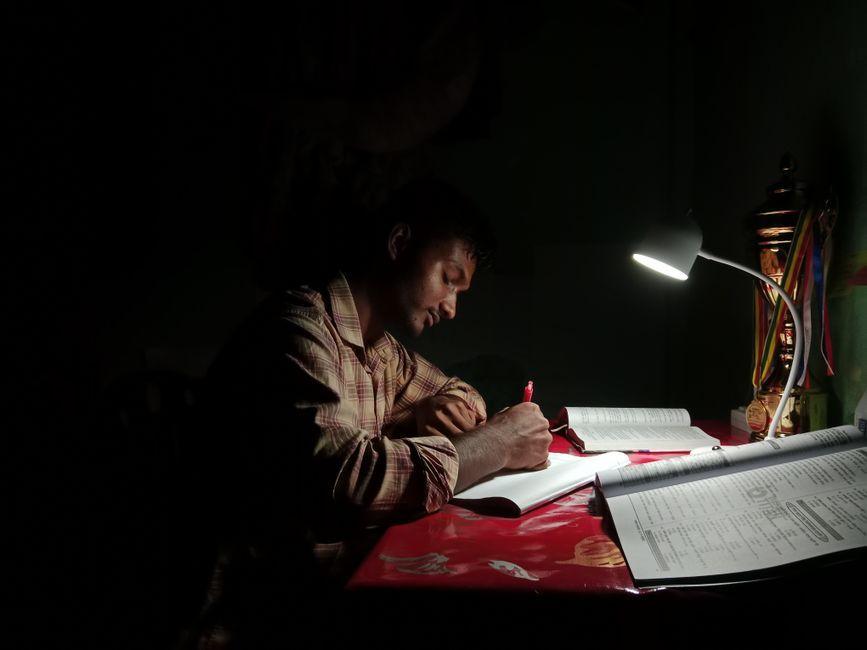
Effective preparation is not about studying longer, but studying smarter. Start by creating a realistic study timetable that allocates sufficient time to each subject and topic. Prioritize weak areas but ensure regular revision of strong ones. Conceptual clarity is paramount; simply memorizing facts without understanding their underlying principles leads to poor retention and inability to apply knowledge in complex questions. Active recall techniques, like self-quizzing or explaining concepts aloud, solidify your understanding.
Practice is the backbone of CEE success. Regularly solve past MEC CEE question papers and engage in mock tests. This familiarizes you with the exam pattern, question types, and time constraints. Analyze your mistakes thoroughly after each mock test to identify knowledge gaps and refine your approach. Consistency in practice builds both speed and accuracy, reducing exam day anxiety.
Leveraging Resources: Digital Tools & Traditional Support
In the current landscape, students have a blend of robust traditional and innovative digital resources at their disposal. NEB textbooks remain your primary reference. Supplement these with reputable CEE-focused guidebooks available in local bookstores. Many students opt for coaching centers in cities like Kathmandu, Pokhara, or Biratnagar for structured guidance and peer interaction. Evaluate their track record and teaching methodologies before committing.
Digitally, the landscape offers tremendous support. Online learning platforms, some specifically tailored for Nepali entrance exams, provide video lectures, practice questions, and mock test series. Utilize these for flexible study schedules and instant feedback. Look for apps or websites offering detailed explanations for questions. Joining online study groups or forums can also provide a sense of community and clarify doubts instantly. Consider the cost-effectiveness; many digital subscriptions are a fraction of traditional coaching fees, often payable via e-wallets like Khalti or eSewa.
Mindset and Well-being: Beyond the Books
The pressure of CEE preparation can be immense. Maintaining a positive mindset and prioritizing your well-being are crucial. Ensure you get adequate sleep; a well-rested mind retains information better. Incorporate short breaks and physical activity into your daily routine to combat burnout. Lean on your support system – family, friends, and mentors – for encouragement. Remember, consistent effort combined with mental resilience is a powerful combination for achieving your goals.
Key Takeaways
Succeeding in the CEE for 2026 admissions demands early, strategic preparation focused on conceptual understanding. Rely heavily on the NEB +2 curriculum, augmented by targeted CEE guidebooks and extensive practice with past papers and mock tests. Embrace both traditional coaching and modern digital learning tools for comprehensive coverage and flexibility. Above all, prioritize your mental and physical health; a calm, focused mind performs best under pressure. Consistent hard work and smart study methods will set you apart in this competitive environment.
Final Thoughts
The path to becoming a doctor in Nepal is challenging, but it is also immensely rewarding. The CEE is a significant hurdle, yet with diligent preparation, the right resources, and an unwavering spirit, you can overcome it. As you prepare, remember the broader financial commitment involved in medical education itself; planning for tuition fees, living expenses, and future career prospects is equally important. Stay informed through official MEC announcements, remain disciplined, and trust your preparation. Your hard work now lays the foundation for a fulfilling career in medicine.