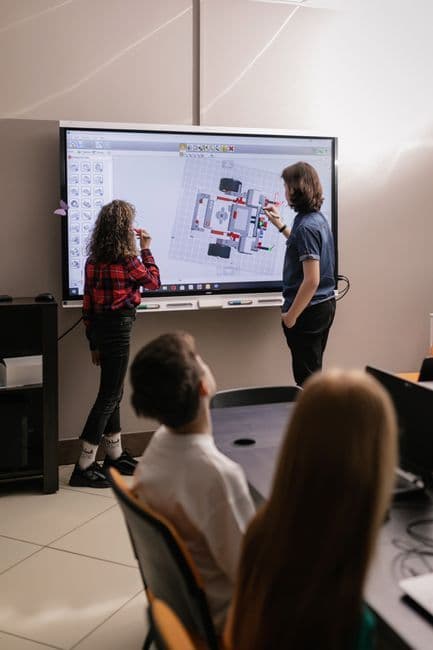
A New Era for Nepali Learning
The integration of Artificial Intelligence (AI) and advanced conversational models like ChatGPT is no longer a distant concept for Nepal's education system. We are seeing these tools actively reshape how students engage with material and how educators manage their classrooms. This shift transcends simple digital adoption; it’s about a smarter, more adaptive approach to teaching and learning, directly influencing institutions from primary schools to major universities like Tribhuvan and Kathmandu University.
Personalized Pathways for Every Student
One of AI's most profound contributions is its ability to personalize education. Imagine a student struggling with calculus for their IOE entrance exam. Instead of a one-size-fits-all lesson, AI-powered platforms can identify their specific weak points, provide targeted exercises, and offer additional explanations or resources in a format they understand best. This adaptive learning approach ensures no student is left behind due to a generalized curriculum. It builds confidence and improves retention significantly.
Empowering Teachers, Not Replacing Them
Teachers across Nepal are discovering AI as a powerful assistant. ChatGPT can help generate diverse question sets, draft lesson plans tailored to specific learning objectives, or even provide quick summaries of complex research papers for curriculum development. Grading essays and assignments, especially for large classes, is less time-consuming when AI handles initial evaluations, flagging areas for teacher review. This frees up educators to focus on mentorship, critical thinking development, and individual student interaction—areas where human connection remains paramount.
Bridging Access and Language Gaps
Nepal faces unique challenges in educational access and resources, particularly in remote areas. AI tools can help translate complex subject matter into multiple local languages, making advanced concepts accessible to a wider student base. They can generate explanatory content, flashcards, and practice tests on demand, effectively decentralizing educational resources. This significantly reduces the reliance on expensive imported textbooks and offers a path to localized content creation, potentially at a much lower cost than traditional publishing.
Navigating the Challenges: Infrastructure, Ethics, and Training
While the potential is vast, Nepal must address several hurdles. Reliable internet connectivity, particularly outside major urban centers, remains a critical infrastructure issue. Ethical considerations, such as data privacy, academic integrity, and algorithmic bias, require robust policy frameworks from bodies like the National Examinations Board (NEB) and university senates. Furthermore, comprehensive training programs are essential to equip current educators with the skills to effectively integrate AI into their teaching methodologies. Merely deploying the technology isn't enough; proper utilization is key.
The Nepali Context: Adoption and Policy
Major universities are already exploring AI-driven research and teaching modules. Some private schools in Kathmandu and Pokhara have started piloting AI tools for language learning and personalized tutoring, often through subscriptions costing a few thousand NPR per year. The government, through the Ministry of Education, Science and Technology, has acknowledged the need for a national AI strategy that encompasses education. Discussions are ongoing regarding clear guidelines for AI use in academic assessment and curriculum design, ensuring a balanced approach that harnesses innovation while upholding educational standards.
Key Takeaways
AI and ChatGPT offer personalized learning paths, adapting content to individual student needs.
Educators are leveraging AI for administrative tasks, lesson planning, and content creation, enhancing their teaching capacity.
These technologies improve access to diverse, localized learning materials, potentially narrowing the digital divide in Nepal.
Challenges include ensuring equitable access to technology, developing ethical guidelines, and providing adequate teacher training.
Nepal is actively pursuing policies and integrations to responsibly embed AI into its educational framework.
Final Thoughts
The transformation of education through AI and ChatGPT in Nepal is well underway. It represents an opportunity to elevate learning quality, expand access, and prepare a generation equipped for a rapidly evolving global landscape. The journey requires thoughtful investment in infrastructure, careful policy formulation by bodies like NEB and TU, and a commitment to ongoing teacher development. Nepal's educational future looks smarter and more connected, powered by these intelligent systems.